Trapstar has become one of the most influential streetwear brands in the world. Its bold graphics, stealth-inspired designs, and luxury-street blend have made it a favorite among celebrities, trendsetters, and fashion lovers. But with popularity comes one major problem: counterfeits. Fake Trapstar products are flooding the market, and spotting them can be tricky—especially when scammers are getting smarter.
If you want to protect your money and make sure you’re getting authentic Trapstar gear, this guide breaks down everything you need to know. From labels and stitching to price and packaging, here’s exactly how to spot a fake Trapstar.
1. Check the Quality of the Material
Billionaire studios pieces—especially hoodies, jackets, and tracksuits—are known for their premium fabric. Real Trapstar feels heavy, smooth, and durable.
Signs of Authentic Materials
Fabric is thick and soft, with a luxury feel
Hoodie fleece interior is smooth and dense
Tracksuits have high-quality cotton or poly-cotton blends
No chemical smell or rough texture
Signs of Fake Materials
Fabric feels thin, stiff, or overly stretchy
Interior fleece is patchy or overly fuzzy
Overpowering factory smell
Material wrinkles too easily
If the clothing feels cheap, flimsy, or uncomfortable, it’s almost always a fake.
2. Inspect the Stitching
Genuine Trapstar craftsmanship is clean and precise. Counterfeit versions often cut corners here.
Original Stitching Features
Neat and straight sewing lines
Tight, even stitches
No loose threads
Reinforced seams inside the hoodie or tracksuit
Fake Stitching Clues
Crooked sewing lines
Loose threads hanging from the seams
Uneven or missing stitches
Weak hems that stretch easily
Stitching flaws are one of the biggest indicators of low-quality, fake production.
3. Examine the Logo and Print Accuracy
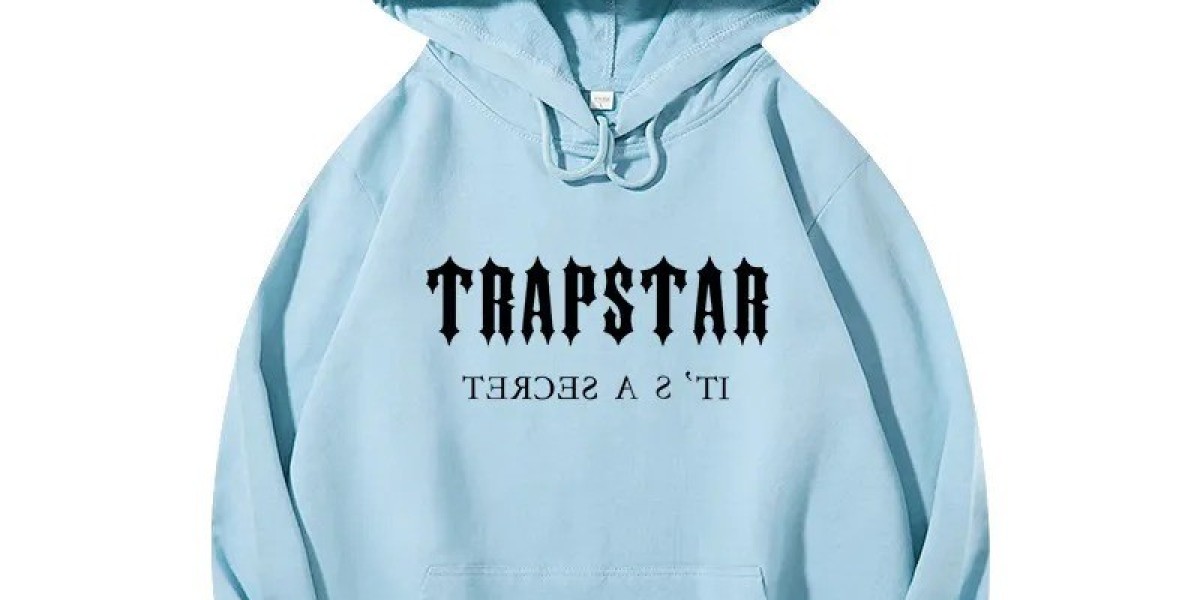
Trapstar is known for its iconic graphics like the “T” logo, “Trapstar Shooters”, and “Star” print. Fakes rarely replicate the logo perfectly.
Authentic Logo Traits
Sharp, clean edges
Symmetrical alignment
High-quality embroidery or print
Accurate spacing between letters
Fake Logo Signs
Blurry prints or fuzzy edges
Misspelled text (common on fakes!)
Letters misaligned or uneven
Patchy or cracking print after light stretching
Always compare the logo with official website images. Even small differences matter.
4. Look at the Inside Tag and Care Label
The tags inside a Trapstar item reveal a lot about its authenticity. The brand uses specific fonts, materials, and tag placements.
What Real Tags Look Like
High-quality woven or printed labels
Clear washing instructions
Correct font size and spacing
Legible “Trapstar London” branding
Tags feel durable, not flimsy
Red Flags of Fake Tags
Misspellings or poorly translated care instructions
Cheap paper-like tags instead of woven fabric
Wrong font style
Tags that easily tear off
If the tags look suspicious or unprofessional, the item is most likely fake.
5. Check the Zippers and Hardware
Authentic Trapstar uses durable metal zippers and high-quality hardware, often branded.
Original Hardware Qualities
Smooth-running zippers
Metal zipper heads with a premium feel
Even finishing on all metal parts
Firestar or Trapstar-branded zipper heads (depending on collection)
Fake Hardware Indicators
Plastic zippers
Rough or stuck zipper movement
Weak zipper pullers
No brand engravings
Zippers are something counterfeiters rarely invest in, so they’re a great detail to check.
6. Compare the Packaging
Original Trapstar products come with proper packaging that reflects the brand’s quality.
Authentic Packaging Includes
Branded Trapstar polybags
Cleanly printed logos
Strong adhesive seals
Hang tags with premium finish
Fake Packaging Usually Shows
Low-resolution printing on bags
Thin, wrinkly plastic
Tags with incorrect fonts
Missing hang tags
Remember: luxury streetwear brands take packaging seriously. Counterfeiters do not.
7. Analyze the Price Carefully
Trapstar is not a cheap brand. If the price feels too good to be true, it almost always is.
Original Price Range
Hoodies typically range high
Tracksuits priced correctly should reflect premium quality
Limited editions cost significantly more
Fake Price Warning Signs
Huge discounts on “brand new” items
Sellers offering bulk deals
Marketplace listings with extremely low prices
If someone is selling a “new Trapstar hoodie” at a fraction of the price, it's most likely fake.
8. Check the Seller’s Credibility
Where you buy Trapstar matters. The safest places to buy authentic items are the official Trapstar website, authorized retailers, or the official Trapstar store.
Signs of a Trustworthy Seller
Verified contact information
Transparent return policies
High-quality product photos
Strong customer reviews
Signs of a Fake Seller
No reviews or many negative reviews
Blurry or stolen product images
Only accepting payments like cash or direct bank transfer
Social media sellers with inconsistent branding
Be especially careful on resale platforms. Always ask for detailed photos and proof of purchase.
9. Compare Sizes and Fit
Original Trapstar follows consistent sizing standards. Fakes often get the proportions wrong.
Authentic Fit
True-to-size fitting
Balanced shoulder width
Proper hoodie length
Tracksuit bottoms with correct taper
Fake Fit
Oversized or undersized compared to normal sizing
Uneven sleeve lengths
Baggy waistbands
Short hoodie body
If the proportions feel awkward, the item might not be real.
10. Verify with Authenticity Codes (If Applicable)
Some newer Trapstar collections include digital authenticity features like QR codes or security labels.
Real Codes
Scan properly
Lead to official Trapstar verification pages
Printed clearly and evenly
Fake Codes
Don’t scan
Lead to broken or unrelated pages
Poorly printed
Not all Trapstar items have these, but if yours does, check it.
Final Thoughts: Stay Smart, Stay Protected
Trapstar’s popularity makes it a target for counterfeiters, but you don’t need to be fooled. By checking the material, logo, stitching, tags, packaging, zippers, and seller details, you can easily spot a fake from the real deal.