
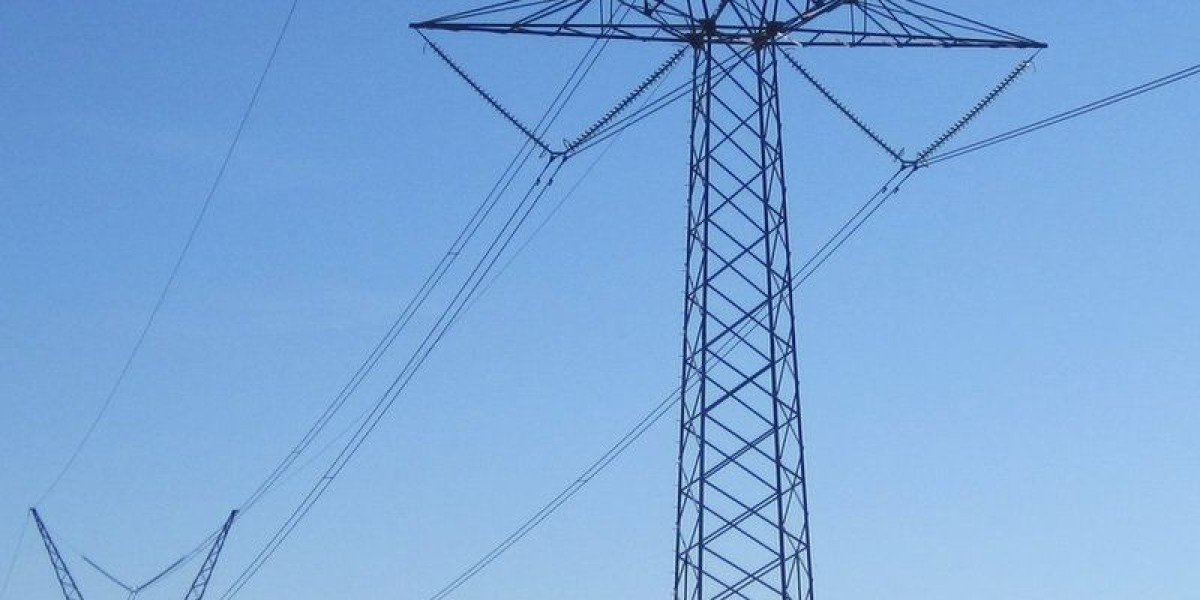
Transmission towers are the backbone of electrical power networks, carrying high-voltage lines over long distances to deliver electricity reliably and safely. These towers must be strong enough to withstand heavy loads, resist harsh weather, and operate for decades without failure. Because they play such a critical role in power infrastructure, choosing the right transmission tower supplier is one of the most important decisions utility companies, EPC contractors, and infrastructure developers can make.
A trusted supplier does more than just deliver steel structures — they provide quality, consistency, reliability, and technical expertise. In this blog, we’ll explore the key qualities that define a trusted transmission tower supplier, so you know what to look for when selecting a partner for your projects.
1. Proven Industry Experience
One of the first things to consider is the experience of the supplier. Transmission tower projects involve complex engineering, strict safety standards, and large-scale fabrication. Suppliers with many years of industry experience have a proven track record of handling such challenges effectively.
Why it matters:
- They are familiar with diverse project requirements across terrains and voltage levels.
- They can anticipate potential design or fabrication issues.
- Their expertise ensures smooth coordination from design to delivery.
Experienced suppliers also have established processes and skilled teams that help deliver projects on time and within budget, minimizing risks for the client.
2. Strong Engineering and Design Capabilities
Trusted suppliers have robust in-house engineering and design teams. Transmission towers are not one-size-fits-all; they must be tailored to meet specific voltage levels, load conditions, and site environments.
What to look for:
- Ability to create customized tower designs based on client specifications.
- Proficiency in structural analysis, load testing, and optimization.
- Use of advanced design software and simulation tools.
This ensures the towers are structurally sound, cost-effective, and compliant with all relevant safety codes and standards.
3. Commitment to Quality Standards
Quality is non-negotiable when it comes to transmission towers. A single structural failure can cause widespread power outages, expensive repairs, and serious safety hazards.
A trusted supplier will:
- Follow national and international standards like IS, IEC, and ASTM.
- Use certified raw materials sourced from reputed mills.
- Implement strict quality control at every stage—design, fabrication, galvanization, and inspection.
- Maintain ISO-certified quality management systems.
Their dedication to quality ensures that every tower they deliver performs reliably throughout its service life.
4. Advanced Manufacturing Infrastructure
High-quality towers require modern manufacturing facilities. This is another sign of a reliable supplier.
Key indicators:
- State-of-the-art machinery for cutting, drilling, welding, and bending steel.
- In-house galvanizing plants to prevent corrosion.
- Automated systems for precision and consistency.
- Adequate production capacity to meet large orders on tight timelines.
Suppliers with advanced infrastructure can deliver large volumes without compromising on quality, which is crucial for utility-scale projects.
5. Strict Adherence to Safety Practices
Safety is critical in both manufacturing and installation phases. A trusted supplier prioritizes safety at every step.
What this includes:
- Strict workplace safety protocols for workers.
- Safe packaging and transportation of tower components.
- Providing safety documentation and installation guidelines.
- Compliance with environmental and occupational health standards.
By emphasizing safety, they reduce the risk of accidents, delays, and liability for their clients.
6. Reliable Supply Chain and Timely Delivery
Delays in tower delivery can halt entire power projects. A dependable supplier has a well-organized supply chain to ensure timely delivery.
Signs of reliability:
- Strong relationships with raw material vendors.
- Efficient logistics and transportation networks.
- Accurate project scheduling and regular progress updates.
Consistent on-time delivery allows project developers to stick to deadlines and avoid costly overruns.
7. Flexibility and Customization
Every transmission line project is unique—terrain, load conditions, and voltage requirements all vary. A trusted supplier understands this and offers customized solutions rather than generic products.
They should be able to:
- Modify designs to suit challenging geographical conditions.
- Offer various tower types (lattice, monopole, guyed, etc.) as needed.
- Adapt to changes in client specifications or project scope.
This flexibility helps you get structures that perfectly fit your site and operational needs.
8. Transparent Communication and Support
Clear and open communication builds trust between the supplier and the client.
A dependable supplier will:
- Provide detailed proposals, drawings, and timelines upfront.
- Offer a single point of contact for coordination.
- Keep you informed about progress, potential delays, and solutions.
- Be responsive to queries and concerns throughout the project.
This transparency prevents misunderstandings and keeps the project on track.
9. Comprehensive After-Sales Service
Support doesn’t end once the towers are delivered. A trusted supplier offers after-sales services to ensure smooth installation and long-term performance.
This may include:
- On-site technical assistance during erection.
- Maintenance and inspection support.
- Replacement of defective or damaged parts under warranty.
- Long-term technical guidance.
Such services reduce downtime and extend the life of your infrastructure.
10. Strong Reputation and Client References
Lastly, reputation matters. A supplier with a solid reputation has earned it by consistently meeting client expectations.
How to verify this:
- Check client testimonials and case studies.
- Ask for references from past projects.
- Review their portfolio and industries they have served.
Positive reviews and repeat business are strong indicators of reliability and quality.
Conclusion
Transmission towers are critical assets in the power sector, and their quality and reliability depend heavily on the supplier you choose. A trusted transmission tower supplier stands out through their industry experience, engineering expertise, commitment to quality and safety, modern manufacturing capabilities, and dependable delivery schedules. They are flexible, transparent, and supportive, ensuring your project runs smoothly from start to finish.
By partnering with a reliable supplier who embodies these qualities, you not only get strong, long-lasting towers but also gain peace of mind—knowing your power infrastructure is built on a foundation of trust and excellence.