
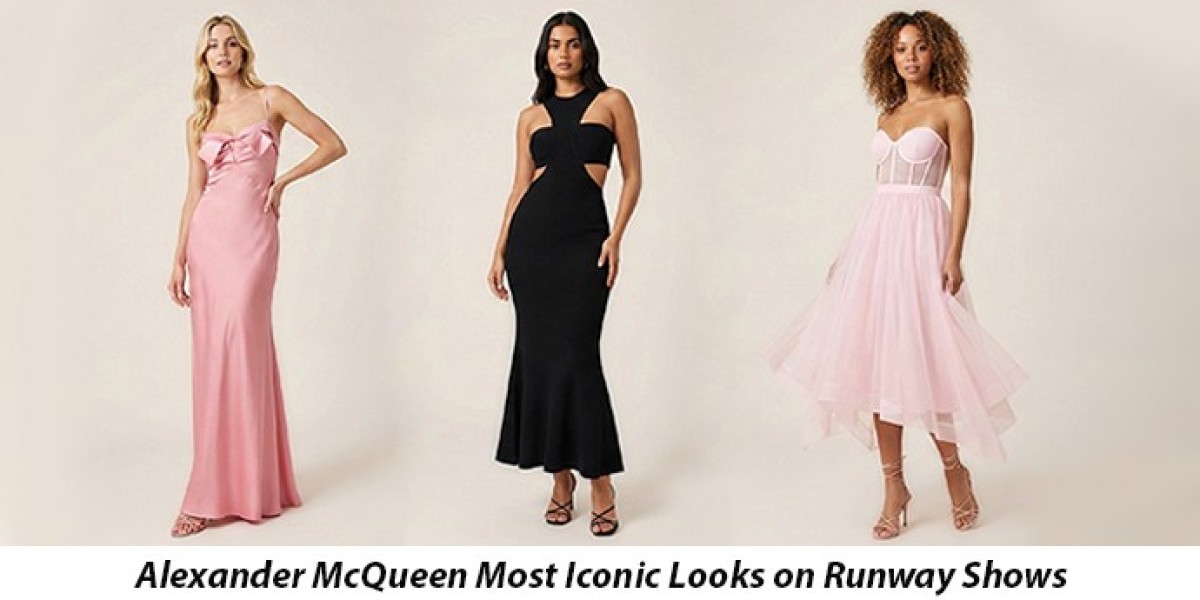
Runway shows by Alexander McQueen were not simply fashion shows, but rather, they represented incredibly creative disruptions and redefined the emotional and visual boundaries of fashion. He is best known for creating darkly romantic designs, crafting sharp-tailored pieces, and presenting theatrical stories through his collections. He turned the runway into an artistic stage where fantasy, fashion, and provocation collided. Each collection included a story that often served as a critique of social norms and an inquiry into self-identity, nature, rebellion, and the psyche of human beings. From the hauntingly beautiful “Widows of Culloden” to the futuristic nature of “Plato’s Atlantis”, the collections that McQueen created consistently advanced the industry and left attendees speechless.
This article will explore some of McQueen's most unforgettable runway looks and provide insight into how they contributed to McQueen's legacy and established him as one of the most significant creative figures within the fashion industry.
The Dress of the Sea – The Spring/Summer 2003 Collection ("Irere")
Alexander McQueen's Oyster dress is considered one of his greatest triumphs due to the delicate materials combined with intricate processes. The hand-dyed fishnet fabric was made to resemble a shell from above and to mimic the movement of waves as the wearer walks. Inspired by tales of shipwrecks and landscaping upon the sea floor, McQueen was able to combine the fragility and strength of water and earth within one piece; this concept formed the basis of his design philosophy. The corsetry of the dress, sculpted like a shell, was perfectly balanced with the billowing skirt; thus, this combination gave the model a strikingly beautiful and ethereal silhouette. The Oyster dress exemplifies McQueen's design expertise as a couturier. He possessed an extraordinary skill to make fabric a work of beauty and poetry, as well as to technically master fabric forms.
The Shipwreck Dress – Spring/Summer 2003 - "Irere"
The Shipwreck Dress reflects the unrefined and unpolished aspects of surviving and represents strength through the use of intentional imperfections, which are symbolic of rebirth. The use of tattered hems and distorted Es ands makes it look like it has been washed up from the sea, while also creating a sense of movement; this gives the audience an impression that they are witnessing someone pulling the dress from the ocean after having been lost at sea. This dress captures McQueen's characteristic style through dramatic makeup, which helps enhance the haunting theme of the look; the look is a visual representation of being lost and later found. The Shipwreck Dress emotionally affects the audience while combining beauty, tragedy, and craftsmanship to create an unforgettable work of art.
The Thigh-High Pink Ruffled Dress – Spring/Summer 1999 (“No. 13”)
The iconic bubblegum pink dress featured dramatic sculptural ruffles and was immortalized for its unprecedented live performance, where model Shalom Harlow was painted by robotic arms as she walked down the runway. It was made of multiple layers of material and had a cinched waist for a sculpted effect, highlighting movement and drama. The black and yellow paint sprayed onto the perfectly white garment via robotic arms elevated the dress from a simple piece of clothing to a living art form. The dress embodies McQueen's curiosity about the juxtaposition of technology and the human experience, as well as the coexistence of beauty and disorder. To this day, this moment remains one of the most talked-about runway performances in history and represents McQueen's adventurous spirit in fashion.
The Bumster Pants – 1995 (“Highland”)
The Bumster was the first and most controversial low-rise cut in fashion history and completely changed the way women thought about low-rise fashion design. Originally designed with an extremely low hip line but an exaggerated hip and thigh area, the Bumster gave women a unique way to separate their body types from traditional proportions and to show off their bodies. By lowering the waistline, the Bumster allowed for a longer torso and a significantly different silhouette than anything that had existed before. The Bumster was seen as radical because it was worn with ripped and distressed fabrics, and created so much debate that it established McQueen's reputation as a boundary-pushing designer in the fashion industry. While it was seen as provocative, the Bumster ultimately had an influence on an entire generation of designers, and eventually became a defining style in the late 1990s and early 2000s. The Bumster has changed the silhouette of fashion dramatically.
The Raven Feather Dress – Fall/Winter 2001 (“Eshu”)
This remarkable Black Feather Dress was inspired by Yoruba mythology and built on concepts/motifs of transformation and power. The dress is entirely made out of shiny black feathers from Ravens; thus, it doesn't fit into the clothing category of a traditional gown. In fact, this piece of clothing had an almost otherworldly effect due to the layering of feathers individually placed in order to create the most striking silhouette imaginable. By bringing two worlds (Nature's ultimate perfection, and the couture world) together into one cohesive piece, McQueen's use of non-conventional materials gives evidence of his extraordinary creative capabilities. The structured Bodice and wreath of feathers on the skirt caused the wearer to be both beautiful and considered to have an otherworldly quality. Ultimately, the overall result produced an incredibly fierce, spiritual, and hauntingly beautiful image that continues to inspire Artists, Art Lovers, and Fashion admirers alike.
The Yellow Ostrich Feather Dress – Spring/Summer 1998 (“Untitled”)
The second dress we are going to discuss is the Yellow Ostrich Feather Dress, a Fall/Winter 1998 Collection piece (referred to as "Untitled"). It is a vibrant dress crafted from hundreds of yellow ostrich feathers. The dress was a great example of McQueen's ability to combine creativity and technical precision to produce an exciting, dynamic garment that celebrates movement with great use of charm. The fitted bodice of the Yellow Feather dress was contrasted against the large and fluffy Yellow Ostrich Feather skirt of the same size. This contrast further exemplifies McQueen's ability to create Fine Couture and accomplish his goals within Fine Couture. The joyful spirit of the Yellow Feather dress was an impressive contrast to some of McQueen's darker works, demonstrating his incredible breadth as a Designer. It remains an iconic representation of his Craftsmanship and a source of inspiration for other Designers and Artists because of its exuberant energy and incredible memory on the Runway.
The Look of the Red Lace Face Mask - Fall/Winter 1998 (“Joan”)
Seeing this dramatic look, you would see a red, form-fitting, skin-tight dress and elaborate lace facial covering; inspired by Joan of Arc's martyrdom, combining sensuality with sacrifice. The colour red invokes passion, danger, and power, and the mask gives it a ghostlike effect, almost ritualistic. Both the precision of the lace and the powerful styling of the piece show that McQueen had the ability to create looks that were based on history but used as modern-day provocations. This look is one of the most talked about of all McQueen's runway collections, due to the symbolism and the emotional impact.
The Look of the Butterfly Headpiece - Spring/Summer 2008 (“La Dame Bleue”)
This look was a collaboration between McQueen and Philip Treacy and had a beautiful butterfly headpiece with a structured, brightly patterned dress. The look was a tribute to Isabella Blow, McQueen's mentor, and was inspired by her love of elaborate imagination and flamboyance. The butterflies represent beauty, freedom, and transformation, all of which are themes central to the creative ideas of both Blow and McQueen. With a unique and sculptural form to the headpiece, vivid colours, and poetic themes, it remains one of the most beautiful runway tributes ever.
The Horned Jacket and Red Dress – Fall/Winter 2009 (“Horn of Plenty”)
The Horned Jacket and Red Dress, two pieces showcased in the Horn of Plenty Collection Fall/Winter 2009, demonstrate the connection between haute couture, as well as a distinct, alternate, or distorted perspective of an unfortunate world. The horn-like shoulder structure of the black lacquered jacket creates an eerie, almost villainous silhouette, in contrast to the dramatic red dress, which creates a point of opposition to the ensemble, showcasing an abundance of decay and a theme of re-engineering through excess. The ensemble was created by using "recycled" or discarded materials in exaggerated proportions to critique the obsessive pursuit of unattainable perfection that dominates the fashion industry. Ultimately, the result is a bold statement piece, which has become a timeless piece of fashion history, that has meaning extending beyond pure visual stimulation.
The Hologram Kate Moss Look – Fall/Winter 2006 (“Widows of Culloden”)
The second look from McQueen's work, which features the hologram of Kate Moss floating in a cloud-like gown, also showcases the magical energies of creation for Alexander McQueen. Although the actual "look" was presented as a hologram, rather than as a live model walking the runway, it was and remains one of the many moments in McQueen's career that contains pure magic. The gown's delicate white organza material cascaded off the projected body of Kate Moss in flowing layers, creating a fantasy-like appearance as the layers responded to the movements of the projected light. The effect is both ghostly and romantic, tugging at the heartstrings and eliciting strong emotions. The presentation represents McQueen's ability to bridge the gap between fashion, technology, and theatre and create an experience that transcends the runway. This look will continue to be remembered as being one of the most bewitching images in the history of fashion.
The Armadillo Shoes Look – Spring/Summer 2010 (“Plato’s Atlantis”)
McQueen's Spring/Summer 2010 Armadillo Shoes Look (i.e., "Plato's Atlantis") debuted the famous Armadillo boot. The collection paired off digitally printed reptilian-styled clothing and a set of boots to create a look that predicted the evolution of humans into water-based life forms. The Armadillo shoes featured a sculptural, 10-inch height and revolutionized traditional concepts of footwear by adopting a body-hugging silhouette with alien-like patterns. Additionally, it also symbolized a new digital methodology in the fashion industry through the use of patterning. The Armadillo Look can be viewed as an extension of McQueen's exploration of the concept of evolution, transformation, and digital technology, and as one of the most influential runway designs of the 21st Century.
The Black Swan Look – Fall/Winter 2008 (“The Girl Who Lived in the Tree”)
McQueen's Fall/Winter 2008 Black Swan Look (i.e., "The Girl Who Lived in the Tree") featured a dramatic black gown of sheer tulle, embellished with multiple layers of feathers and rich embroidery. This gown reflected a combination of Gothic style with an air of regal elegance, inspired by both British folklore and royal art. The Black Swan Look had an overwhelming volume to its silhouette, created by both the length and thickness of the fabric. The starkly dark color(s) created a strong silhouette, but the intricate embellishments provided dimension and emotion. The Black Swan Look is commonly referenced as a couture version of the film, and is considered among McQueen's most photographed and widely recognized gowns.
The runway designs created by Alexander McQueen set groundbreaking standards for modern fashion and demonstrate the ability of clothing to be both artistically revolutionary and emotionally charged. The designs that McQueen created placed an equal amount of focus on craftsmanship and storytelling; hence, he treated the runway as a platform for conveying strong narrative messages and stunning visual imagery. McQueen utilized a wide range of materials, techniques, and styles to push the boundaries of fashion.
From feather and holograph use to sculptural silhouette creation and use of highly futuristic visual prints, every aspect of his work challenged the preconceived notions of what fashion is. McQueen's legacy lives on, not just because of the designs he created, but also because of the inspirational influence that those designs will continue to have throughout the fashion industry. Today, his iconic designs serve as a lasting reminder of McQueen's fearless and visionary approach.


