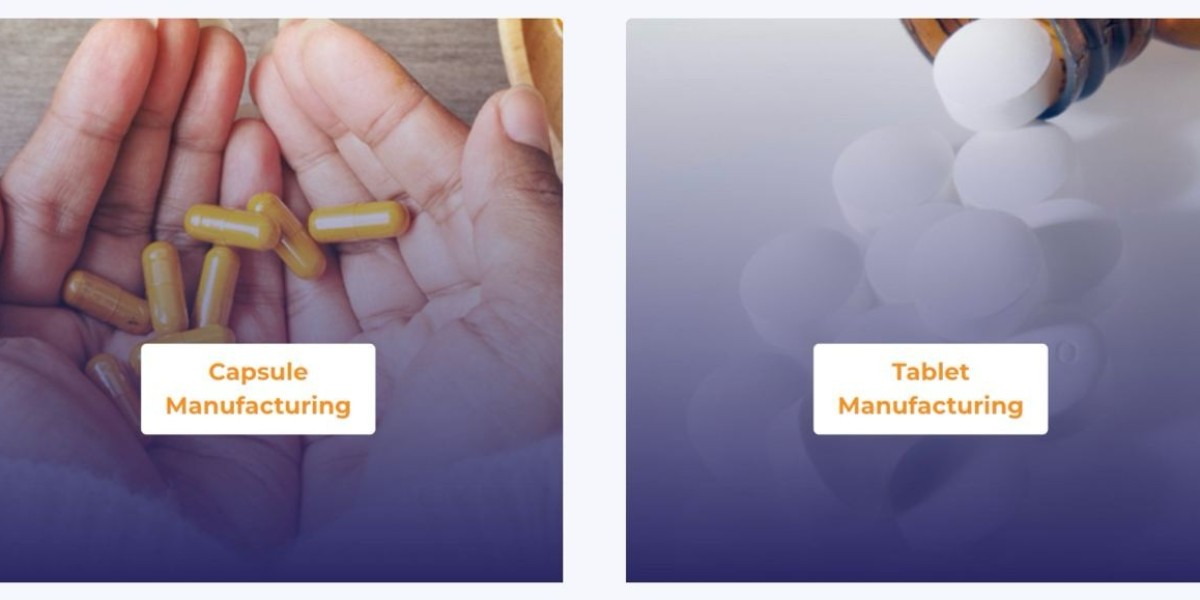
In the nutraceutical and pharmaceutical industries, tablets have remained a cornerstone of product delivery. They provide a simple, reliable way to deliver precise doses while offering convenience for consumers and efficiency for manufacturers. Behind every tablet lies a carefully engineered process that balances formulation science, production technology, and quality assurance.
Understanding Tablet Formation
A tablet is essentially a compacted mixture of powders, granulates, or blends designed to deliver a consistent dose of active ingredients. The process involves applying mechanical pressure to these materials, creating a solid, stable dosage form. This seemingly simple procedure hides a complex interplay of factors. The particle size of powders, their compressibility, moisture content, and binding agents all influence the final tablet’s integrity and performance.
The appeal of tablets is multi-fold. For consumers, they offer a convenient form that is easy to swallow, transport, and store. For manufacturers, tablets allow precise dosing and predictable shelf life, which are crucial for maintaining product quality. Compared to liquids, capsules, or powders, tablets often provide superior stability and cost-efficiency, making them a favored choice in large-scale nutraceutical production.
Automation and Scalability in Tablet Production
Modern nutraceutical manufacturing relies heavily on automated tablet presses. These machines compress thousands of tablets per hour, maintaining uniformity in size, weight, and potency. Automation minimizes human error and ensures that every tablet meets stringent quality standards. With proper calibration, a single production line can handle a wide range of formulas, allowing businesses to scale their operations efficiently.
Automated processes also enable manufacturers to experiment with complex formulations that might be difficult to produce manually. Ingredients can be blended in precise ratios, and additives such as binders, disintegrants, or coatings can be applied consistently. This precision ensures that tablets not only deliver the intended health benefits but also perform as expected during digestion, dissolving at the right rate for optimal absorption.
Ensuring Quality and Compliance
Quality assurance is a non-negotiable part of tablet production. Each batch undergoes rigorous testing for potency, uniformity, dissolution, and contamination. Facilities producing nutraceutical tablets often adhere to current Good Manufacturing Practices (cGMP), which set standards for everything from raw material sourcing to packaging. This framework ensures that products are safe, effective, and consistent.
Some manufacturers also integrate advanced technologies like real-time monitoring, automated weight checks, and moisture sensors. These tools detect deviations early in the process, allowing quick adjustments and reducing waste. By combining automation with robust quality control, nutraceutical producers can maintain consumer trust while efficiently meeting demand.
Tablets and Market Versatility
The versatility of tablets is another reason for their popularity. They can accommodate a wide range of active ingredients, from vitamins and minerals to herbal extracts and probiotics. Additionally, tablets can be formulated in various styles—immediate release, extended release, or chewable—depending on consumer needs. This flexibility makes tablets an ideal medium for both established products and emerging formulations.
For businesses looking to expand their offerings, tablets are a reliable option for introducing new supplements without overhauling production processes. They support cost-effective packaging and shipping, and their durability reduces the risk of product loss during handling. Entrepreneurs and established brands alike can leverage tablets to efficiently reach new markets.
In addition, tablets allow for integration with complementary services such as labeling, packaging, and branding. Companies can work with nutraceutical manufacturers to design visually appealing products that stand out on shelves, reinforcing brand identity while delivering high-quality nutrition.
A practical example of market-ready products can be seen in specialty supplements. Businesses may offer anavar for sale in tablet form, ensuring each dose is precise, stable, and packaged for safe distribution. By using tablets, manufacturers simplify logistics, maintain quality, and enhance consumer trust.
Consumer and Business Advantages
From the consumer’s perspective, tablets offer ease of use, consistent dosing, and reliability. Unlike powders that require measuring, tablets deliver a fixed dose, minimizing the risk of under- or overdosing. They are portable, discreet, and generally shelf-stable for extended periods. These qualities align with modern lifestyles, where convenience and predictability are valued.
For businesses, tablets present an efficient path to scale production while controlling costs. Automated processes reduce labor requirements and material waste. Quality control systems ensure compliance with regulations, mitigating the risk of recalls or legal issues. Moreover, tablets allow businesses to standardize product lines and expand distribution channels with confidence.
Conclusion
Tablets have earned their place as a fundamental dosage form in nutraceutical production. Their combination of stability, precision, and scalability makes them a practical choice for both manufacturers and consumers. By leveraging modern automation, rigorous quality control, and adaptable formulations, businesses can produce tablets that are safe, effective, and commercially viable.
Whether creating new supplements or scaling established products, tablets remain a dependable vehicle for delivering nutrition, supporting health, and maintaining consumer trust. The careful balance of science, technology, and quality assurance ensures that every tablet is more than a simple pill—it’s a well-engineered solution that meets the demands of modern nutraceutical production.