
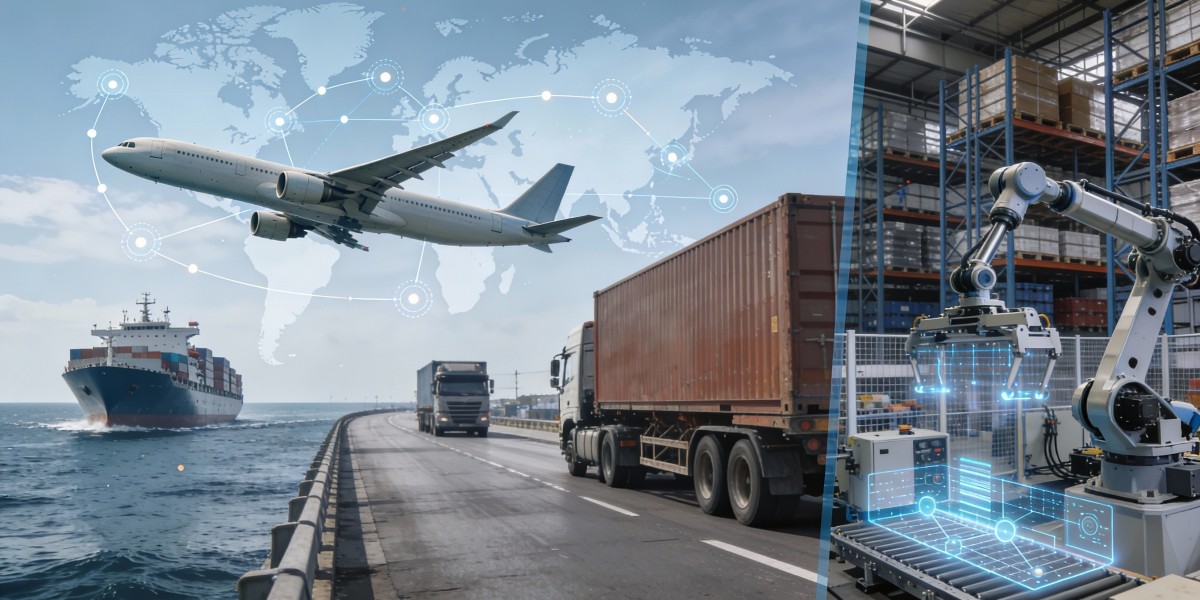
The world of logistics never stands still. Goods move across oceans and borders every day, connecting manufacturers to markets and consumers to products. In recent years, disruptions have become commonplace, pushing companies to rethink how they manage supply chains. These shifts profoundly affect international trade logistics, forcing businesses to adapt quickly or risk falling behind.
Critical Trends in Global Logistics Impacting Supply Chain Strategies
Supply chains face constant pressure to become faster, more reliable, and less wasteful. Leaders focus on building networks that withstand shocks while meeting rising expectations. Here are some key areas driving change.
1. The Digital Thread Runs Through Everything
Gone are the days of phone calls, paper trails, and hopeful guesses about where your shipment might be. The most significant change we see is the complete integration of digital tools. This isn’t just about tracking a package on your phone. It’s about a connected, visible journey from the factory floor to the final destination.
Real-time data platforms give everyone in the chain, from the shipper to the final receiver, a clear view. This visibility helps predict delays, manage inventories smarter, and communicate with customers honestly. The outcome is a supply chain that feels less like a mystery and more like a well-oiled, transparent machine. This digital shift is a cornerstone of modern freight forwarding trends, turning service providers into tech-savvy partners.
2. The Rise of Nearshoring and Regional Networks
Seeking resilience, many businesses are re-evaluating their reliance on distant manufacturing hubs. The appeal of shorter, more manageable supply chains is growing. This has led to a noticeable move toward nearshoring, bringing production closer to the end consumer.
This shift alters traditional container shipping trends. While long-haul ocean freight remains vital, we see growth in regional shipping lanes and cross-border trucking and rail. It fosters stronger trade relationships within continents, like North America, Europe, and Southeast Asia. This trend builds faster, more responsive, and often more cost-stable supply networks.
3. Resilience Beats Just-In-Time Every Time
Recent years have taught us a hard lesson. A chain is only as strong as its most stressed link. The old model of hyper-efficient, lean supply chains often crumbled under unexpected pressure. The new priority is building networks that can bend without breaking.
Companies are now looking at diversifying their manufacturing sources and transportation routes. They’re holding a bit more stock of critical items. The goal is to create a web instead of a single, fragile line. It’s about having backup plans and the flexibility to use them, ensuring that international trade logistics can withstand surprises.
4. Sustainability Shifts from Buzzword to Business Metric
Eco-consciousness is now a core operational driver. Customers and investors are demanding it, and regulations are increasingly requiring it. This trend moves far beyond simple marketing. Logistics companies are making concrete changes.
We see a rise in the use of biofuels for ocean and air freight. Enterprises are optimizing routes to cut fuel consumption and emissions. There’s growing interest in carbon offset programs for shipments. Even packaging is getting a green overhaul, with more recyclable materials and reduced use of materials. This comprehensive approach is reshaping decisions across global logistics, making the green option the smart business option.
5. Rise of Artificial Intelligence and Automation
AI systems process large datasets to forecast demand and recommend optimal routes accurately. Warehouses use robots for sorting and packing, easing labor shortages and boosting output. These tools minimize errors and speed up processes across the board.
In ocean transport, AI enhances load planning and predicts maintenance needs for vessels. This integration marks a core part of container shipping trends, where efficiency directly affects profitability. Companies adopting these technologies see clearer operations and lower expenses.
6. Smart Warehousing and the Last-Mile Evolution
The journey doesn’t end at the port. The final leg to the customer’s door is a critical battlefield for efficiency and satisfaction. Warehouses are transforming from static storage units into dynamic, tech-enabled fulfillment centers.
Automation, using robots and smart sorting systems, works alongside humans to accelerate order processing. Artificial intelligence helps forecast demand and position goods in the right warehouse in advance.
Furthermore, navigating the complex rules of different markets is tricky. This is where expert guidance, such as the import-export compliance consulting offered by TLS Technologies, becomes invaluable. It ensures that goods not only move quickly from the warehouse but also clear customs without costly delays or penalties.
7. The Complexity of Modern Trade Compliance
Speaking of rules, the regulatory landscape for cross-border trade is more complex than ever. Tariffs shift, product regulations change, and documentation requirements are strict. A single paperwork error can stop a shipment for weeks.
This environment makes expertise non-negotiable. For many businesses, especially those new to a market or selling directly to consumers online, managing this in-house is a heavy lift. The growing reliance on specialized partners highlights a major shift in freight forwarding trends. These partners do more than book space on a ship; they guide companies through the regulatory maze.
In such cases, companies utilize TLS Technologies’ importer exporter of record services. This means an expert takes on the full legal responsibility for the shipment in a foreign country, simplifying the process for the seller.
Concluding Remarks
The landscape of moving goods around the planet is being rewritten. It’s a blend of technological innovation, strategic redesign for toughness, and a genuine commitment to sustainable practice. These global logistics trends are not isolated ideas. They are interconnected forces shaping a new, more intelligent, and more adaptable era for international trade logistics. Success belongs to those who watch these patterns, understand their impact, and adapt their strategies accordingly. The future of supply chains is transparent, resilient, and thoughtfully built.
Managing these complexities alone can be a formidable task. Our team is here to help you navigate this new landscape with clarity and confidence. Our expert IOR and EOR services can provide the local expertise and assume the liability you need to grow your global footprint smoothly and securely.