
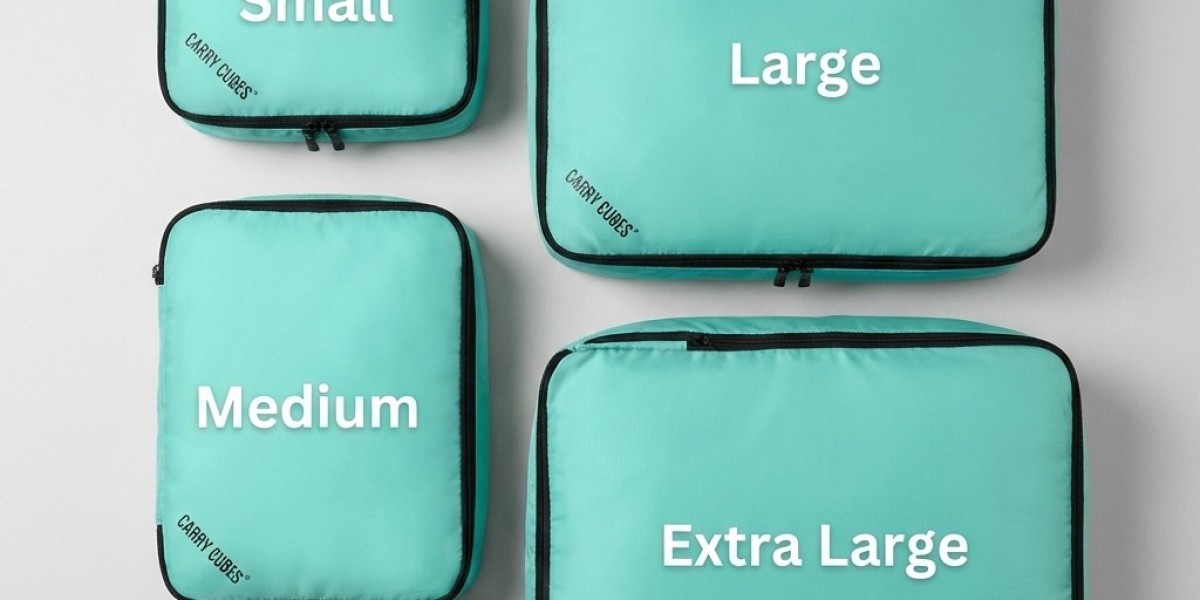
Owning the best packing cubes represents just the beginning—mastering strategic usage techniques unlocks their complete potential. Expert strategies transform packing cubes from simple organisers into sophisticated systems maximising efficiency, protecting belongings, and streamlining every travel aspect. This comprehensive guide reveals professional tips ensuring you extract maximum value from your packing cube investment.
Strategic Packing Methods
The Rolling Technique
Rolling clothes before placing them in packing cubes creates the most efficient space utilisation whilst minimising wrinkles. Roll t-shirts, casual trousers, and everyday wear tightly, then arrange rolls vertically within cubes for maximum visibility and accessibility. This technique allows tighter packing without damaging fabrics, whilst enabling you to see every item without unpacking. Rolling works brilliantly for casual wear, though formal shirts benefit from careful folding instead.
Layering Strategy
Place heavier items like jeans and jumpers at cube bottoms, with lighter garments on top. This layering prevents delicate fabrics from crushing whilst ensuring even weight distribution. For mixed-item cubes, separate distinct layers with tissue paper preventing colour transfer and maintaining garment freshness. Strategic layering optimises both space efficiency and garment protection throughout travels.
Outfit Bundling
Pack complete daily outfits together in individual packing cubes—top, bottom, underwear, and accessories combined. Each cube contains everything needed for one day, eliminating morning wardrobe decisions and ensuring coordinated outfits. This method proves invaluable for business trips requiring specific outfit coordination or when simplifying dressing routines during holidays becomes desirable.
Size Selection Mastery
Matching Contents to Cubes
Small packing cubes suit underwear, socks, and small accessories perfectly. Medium cubes accommodate shirts, lightweight trousers, and sleepwear. Large cubes handle bulky items like jumpers, jackets, and jeans. Using appropriately sized cubes prevents wasted space whilst maintaining optimal organisation. Never force inappropriate items into wrong-sized cubes—efficiency comes from matching contents to cube dimensions thoughtfully.
Leave Compression Room
Don't overfill cubes before compressing—leave approximately 20% empty space allowing compression mechanisms to work properly. Overstuffed cubes create zipper stress, reduce compression effectiveness, and risk damaging both cubes and contents. Multiple moderately filled cubes perform better than fewer overstuffed ones, providing superior organisation whilst extending cube lifespan.
Colour-Coding Systems
Family Organisation
Assign specific colours to each family member creating instant visual identification—blue for Dad, pink for Mum, green for children. This system eliminates confusion during trips, allowing anyone to identify belongings without opening cubes. Morning routines become dramatically faster when locating specific family members' clothing requires simply grabbing designated colours.
Category-Based Coding
Solo travellers benefit from colour-coding by garment type—one colour for tops, another for bottoms, third for undergarments. This categorisation enables instant location of specific clothing items without searching through multiple cubes. Consistent colour systems become intuitive quickly, streamlining packing and unpacking throughout travels.
Maintenance and Care
Regular Cleaning
Wash packing cubes periodically according to manufacturer instructions, typically hand-washing in cool water with mild detergent. Air dry completely before storage preventing mildew and maintaining fabric integrity. Clean cubes after trips involving beach sand, outdoor adventures, or extended use. Regular cleaning extends lifespan whilst keeping cubes fresh and pleasant.
Zipper Maintenance
Keep zipper tracks clean by removing lint and debris with soft brushes after each trip. If zippers become stiff, apply zipper lubricant or run graphite pencils along teeth restoring smooth operation. Quality zipper maintenance extends cube lifespan significantly and prevents frustrating mid-trip failures that render cubes unusable.
Strategic Luggage Placement
Accessibility Planning
Place frequently accessed items in cubes positioned at luggage tops or easily reachable locations. Pack clothing worn later in trips or less-needed items in cubes positioned deeper in suitcases. This strategic placement maintains accessibility throughout journeys without constant repacking. Consider what you'll need during flights versus at destinations when determining cube placement.
Weight Distribution
Distribute weight evenly throughout luggage by alternating heavy and light cubes. Place heavier cubes near luggage wheels for wheeled suitcases, improving manoeuvrability. Balanced weight distribution prevents luggage from tipping whilst making handling easier during travels.
Advanced Techniques
Vacuum Compression Combination
For extreme space-saving, place already-packed cubes inside vacuum storage bags. This double-compression technique suits bulky items or situations requiring unprecedented space efficiency. While adding complexity, the combination proves invaluable when packing winter wardrobes into limited luggage.
Clean-Dirty Separation
Designate specific cubes for worn clothing from departure day. This separation maintains hygiene, prevents mixing clean and dirty items, and simplifies laundry upon return. Some travellers use different coloured cubes, whilst others flip cubes inside-out indicating dirty contents.
Avoiding Common Mistakes
Never pack wet items in carry cubes—moisture creates mildew. Don't over-compress delicate fabrics risking damage. Avoid randomly placing cubes without considering access frequency. Never force zippers—if they won't close easily, remove items rather than risking damage. These simple precautions protect both cubes and contents whilst maintaining efficient organisation.
Mastering these expert techniques transforms packing cubes from basic organisers into sophisticated travel systems maximising efficiency whilst protecting belongings throughout every journey.