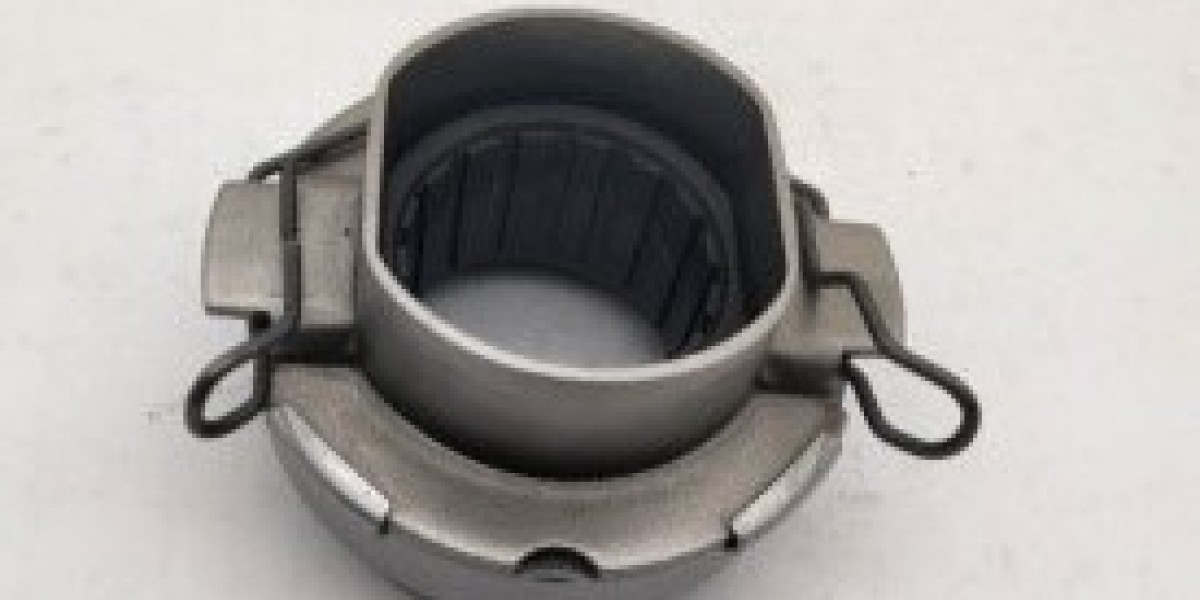
Hard gear shifting, strange noises when pressing the clutch, and sudden transmission issues are frustrating problems many drivers face. Often, these symptoms are blamed on the clutch plate or gearbox—but the real issue is frequently a worn clutch release bearing. When this small but critical component fails, it can affect the entire clutch system and lead to costly repairs if ignored.
How a Failing Clutch Release Bearing Affects Driving Performance
The clutch release bearing allows smooth engagement and disengagement between the engine and transmission. Every time the clutch pedal is pressed, this bearing absorbs pressure while enabling controlled movement. Over time, constant friction and load cause wear.
When a low-quality or worn clutch release bearing is used, friction increases, leading to noise, vibration, and reduced clutch efficiency. This makes gear changes rough and increases strain on the pressure plate and clutch fork.
Common Warning Signs You Shouldn’t Ignore
Clutch release bearing problems rarely happen without warning. Paying attention to early symptoms can prevent more serious transmission damage:
Grinding or squealing noise when pressing the clutch pedal
Vibration felt through the clutch pedal
Difficulty shifting gears smoothly
Noise that disappears when the clutch is released
Ignoring these signs can result in damage to the clutch assembly, pressure plate, and even the gearbox itself.
Why Clutch Release Bearings Fail Prematurely
Several factors contribute to early bearing failure, including poor lubrication, improper installation, and low-quality materials. Riding the clutch pedal or frequent stop-and-go driving also increases wear.
Choosing a durable clutch release bearing designed to handle repeated engagement cycles helps reduce friction, heat buildup, and premature wear—ensuring smoother clutch operation over time.
How the Right Bearing Improves Clutch System Longevity
A high-quality clutch release bearing reduces stress on surrounding components by maintaining consistent pressure distribution and smooth movement. Lower friction means less heat, which helps protect lubrication and prevent metal fatigue.
This results in:
Smoother gear changes
Reduced clutch noise and vibration
Extended clutch and transmission lifespan
Improved driving comfort and control
By maintaining proper clutch engagement, the entire drivetrain benefits from improved reliability.
Choosing the Correct Clutch Release Bearing Matters
Not all clutch release bearings are the same. Vehicle-specific compatibility, load capacity, material strength, and heat resistance all play critical roles. Selecting the wrong bearing can lead to misalignment, uneven wear, and rapid failure.
High-quality bearings are engineered to meet precise tolerances, ensuring reliable performance even under demanding driving conditions such as heavy traffic or frequent gear changes.
Why Preventive Replacement Saves Money Long Term
Waiting until a clutch release bearing completely fails often leads to secondary damage, requiring a full clutch replacement instead of a simple bearing change. Preventive replacement during clutch service helps reduce labor costs and avoids unexpected breakdowns.
By investing in a reliable clutch release bearing, drivers and fleet operators can reduce maintenance expenses, improve vehicle performance, and enjoy smoother operation for longer periods.