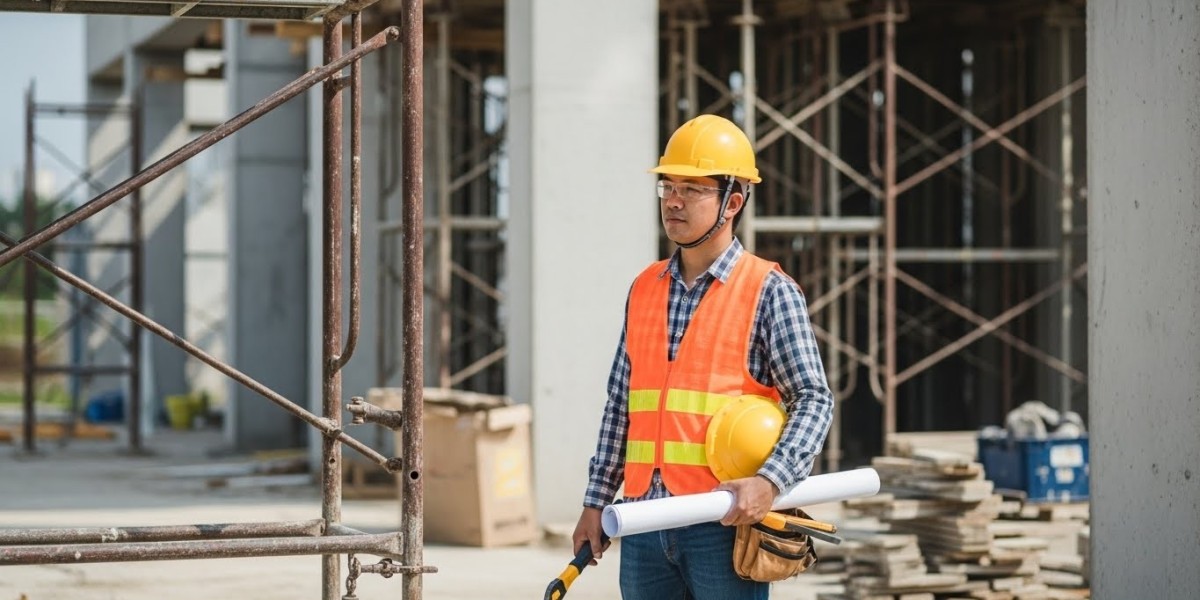
Building, repairing, and maintaining various structures, including houses, offices, bridges, and roads, is the job of a construction worker. Some believe that the only thing a worker in construction needs to have is physical strength. These qualities are very important, but education can also play a major role in getting someone ready for the construction industry. Building a solid educational base helps construction workers learn safety rules, understand blueprints, utilize technology, and estimate projects accurately.
No education stops in the classroom. Many construction workers develop their skills via apprenticeships. In apprenticeships, workers are guided by experts to gain practical experience. An apprenticeship teaches workers to mix concrete, handle machines, install electric systems, or even lay bricks. As well as learning how to follow safety guidelines, the workers will also be taught effective time management, teamwork, and working in a collaborative environment. Apprenticeships range from one to four years, depending on the profession and how complex the job is.
A construction worker's training should include some on-the-job instruction. Even construction workers who have a technical degree or a diploma from a secondary school continue to learn new skills and techniques by observing their coworkers. They learn from real-life construction experiences. Some firms also offer certification programs for workers who are interested in learning how to properly handle heavy equipment, hazardous materials, and other construction services.
Construction Workers Need Basic Education
Most construction workers start their careers after completing high school or secondary school. High school education provides essential skills such as mathematics, reading, writing, and problem-solving. Mathematics is particularly important because workers use it to measure materials, calculate angles, and estimate costs. English and writing skills help workers communicate with supervisors and clients, write reports, and understand instructions. Some workers also take additional courses in science, especially physics, to understand how buildings stay strong and safe.
After high school, many aspiring construction workers choose to attend vocational schools or technical colleges. These schools offer practical courses in construction, carpentry, plumbing, electrical work, and masonry. Technical training teaches students how to use services, read construction plans, and follow safety procedures. Some programs also include expert estimating services, which teach students how to calculate project costs, prepare budgets, and plan resources efficiently. Learning estimating skills is very helpful for those who want to become supervisors or project managers in construction.
Construction Workers' Specialized Education
Some construction workers study to be specialists or managers. Those who would like to be estimators, site managers, or safety officials can study in college programs for construction management, architecture, or civil engineering. These programs provide advanced training in mathematics, project planning, computer-aided design (CAD), construction law, and management. For those responsible for managing large groups of people or planning major projects, higher education is essential.
Experience in real-life situations is just as important, even if you have a specialized degree. Construction workers usually combine classroom study with practical work experience. This helps them grasp both the technical as well practical side of construction. Workers with this education level are more likely than others to move up in the career ladder and become leaders.
Skills That Complement Education
It is not sufficient to be a construction worker with only formal education. Some key skills will help you succeed. They are a great complement to formal education. Included in these are: It is important to have physical strength, stamina, and the ability to lift and bend. Construction workers spend long hours at work.
Technical Skills Are Essential.
Workers in the construction sector face a variety of challenges that they must solve quickly. The smallest mistakes in measurement or installation could cause major problems. Communication: It is important that workers communicate effectively with clients, supervisors, and their co-workers.
Most training programs incorporate these skills into their curriculum. For example, vocational schools use exercises that develop technical and physical ability, as well as strength. Apprenticeships show workers how to handle problems in a controlled environment. Construction safety is taught through courses that teach proper communication, attention to detail, and how to communicate on the construction site.
Certifications & Licenses
Some types of construction work require certificates and licenses. These documents prove that the worker is properly trained. For instance, electricians need special permits, as do plumbers or crane operators. Certificate programs impart safety knowledge and techniques, as well as best practices, for specific occupations. These programs are also a great way to boost workers' credibility and help them earn more.
Workers in the construction industry may take additional courses on first aid, workplace health and safety, or environmental regulation. These courses make sure that construction workers are following local laws as well as protecting themselves and others on the job site. Many certifications require renewals after a few years. This is a great way to encourage workers to stay on top of their game throughout their careers.
Grow Your Career By Continuing Education
Construction constantly changes as new materials and technologies are introduced. Workers need to keep up with the latest technology to stay ahead of their competition. Many companies in the construction industry offer continuous training to their workers on safety, new technologies, and other topics. They can attend online or offline courses, as well as workshops and seminars, to increase their skill level.
Continuous education allows workers to advance their careers. An employee who started as a builder can become a project leader or estimator. Managers oversee teams, set budgets, or plan projects. The roles of a manager require both practical and formal training.
Final Verdict
The education of construction workers is a multi-faceted process that begins in high school. It continues through apprenticeships, technical education, and higher education. Included in the list of important subjects are mathematics, reading, writing, and science. The vocational school and technical college teach practical skills. On-the-job and apprenticeship training provide real-world experiences.
Some workers seek specialized degrees and certifications so they can take on management roles. Physical strength, the ability to solve problems, a keen eye for detail, and good communication skills are all important. Continued education, training, and ongoing learning ensure that construction workers maintain their skills and safety throughout their careers. Education in construction isn't just about gaining the necessary skills to do construction. It can also help you advance your career and ensure that construction projects are safe.
FAQs
What Minimum Level Of Education Must A Person Have To Work As A Worker In The Construction Industry?
If you have completed secondary school, that is the usual minimum.
What College Education Is Required For Construction Workers?
Education at college is optional. However, it's helpful for specialized jobs like those of project managers or estimators.
Certifications For Construction Work?
Certificates and permits are proof of qualification and safety.